
EPA vs DHA: What’s the Difference in Omega-3 Supplements?
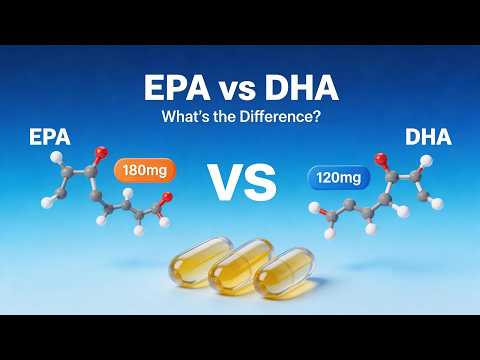
When comparing Omega-3 supplements, two terms appear frequently on product labels: EPA and DHA. These names are commonly listed in supplement descriptions, nutrition panels, and ingredient breakdowns, yet many consumers are unsure what they mean or how they differ. Understanding the distinction between EPA and DHA can make it much easier to read supplement labels and compare different Omega-3 formulas.
What Are EPA and DHA?
EPA (eicosapentaenoic acid) and DHA (docosahexaenoic acid) are two types of Omega-3 fatty acids commonly associated with marine sources. Rather than being separate nutrients unrelated to Omega-3, they are both part of the Omega-3 fatty acid family. This is why supplement labels often list EPA and DHA under the broader Omega-3 category in the Supplement Facts panel.
For readers who are new to Omega-3 terminology, it can help to first understand the overall category. Omega-3 refers to a group of polyunsaturated fatty acids that commonly appear in foods and dietary supplements. EPA and DHA are simply two specific forms within that group.
Why Do Omega-3 Labels Show EPA and DHA Separately?
Many Omega-3 supplement labels display the individual amounts of EPA and DHA rather than listing only the total oil content. This approach provides more transparency and allows consumers to understand the structure of the formula more clearly.
For example, two supplements may contain the same total amount of oil but very different EPA and DHA levels. When labels list these fatty acids separately, shoppers can evaluate the composition of each product in greater detail.
Where Do EPA and DHA Come From?
EPA and DHA are most commonly associated with marine environments. Fish oil supplements typically contain both fatty acids because fish obtain Omega-3 nutrients through the marine food chain. Marine algae are also widely discussed as an original source of DHA within ocean ecosystems.
Because of this, some plant-based Omega-3 supplements use algae oil instead of fish oil as their Omega-3 source. This allows the formula to remain fish-free while still providing DHA and sometimes EPA.
Explore Plant-Based Omega-3 Options
If you're researching algae-derived Omega-3 supplements, you can also view a plant-based Omega-3 option on Amazon as part of your comparison process.
View on AmazonHow Understanding EPA vs DHA Helps When Comparing Supplements
Learning the difference between EPA and DHA helps make supplement labels easier to interpret. Instead of relying only on marketing statements on the front of the bottle, shoppers can review the Supplement Facts panel to understand the detailed nutrient breakdown.
This knowledge can also help readers evaluate ingredient sourcing, serving size information, and formula transparency when comparing Omega-3 products across different brands.
Final Thoughts
EPA and DHA are two widely recognized members of the Omega-3 fatty acid family. Although they often appear together in supplements, they are listed separately on labels to provide clearer information about formula composition. Understanding these terms helps consumers read supplement labels more confidently and compare Omega-3 products more effectively.
If you are exploring plant-based Omega-3 supplements, you can also view this algae-derived Omega-3 product on Amazon as part of your research.
Frequently Asked Questions
What is the difference between EPA and DHA?
EPA and DHA are both Omega-3 fatty acids. They belong to the same nutrient family but represent different types of Omega-3 commonly listed on supplement labels.
Are EPA and DHA both Omega-3?
Yes. EPA and DHA are two well-known Omega-3 fatty acids commonly found in marine-derived supplements.
Why do Omega-3 supplements list EPA and DHA separately?
Many labels list them separately so consumers can see the specific amounts of each fatty acid included in one serving.
Can EPA and DHA come from algae?
Yes. Marine algae are often used as a plant-based source of DHA in vegan-friendly Omega-3 supplements, and some algae-derived formulas may also contain EPA.
What should I look for when comparing Omega-3 supplements?
Many shoppers review serving size, total Omega-3 content, ingredient source, and the listed amounts of EPA and DHA when comparing different supplements.